
Energy Bills Crushing Your Budget? 10 Commercial Electrical Upgrades That Pay for Themselves
- gcarbajal276
- Dec 22, 2025
- 5 min read
Rising energy costs are squeezing commercial property budgets across California, with average commercial electricity rates climbing 15-20% annually in recent years. Yet many property managers overlook one of the most effective strategies for controlling these costs: strategic electrical upgrades that literally pay for themselves through reduced energy consumption.
The best commercial electrical upgrades don't just lower your utility bills: they create ongoing value through improved reliability, enhanced tenant satisfaction, and increased property values. Here are ten proven upgrades that deliver measurable returns on investment, often within 2-3 years.
1. LED Lighting System Overhaul
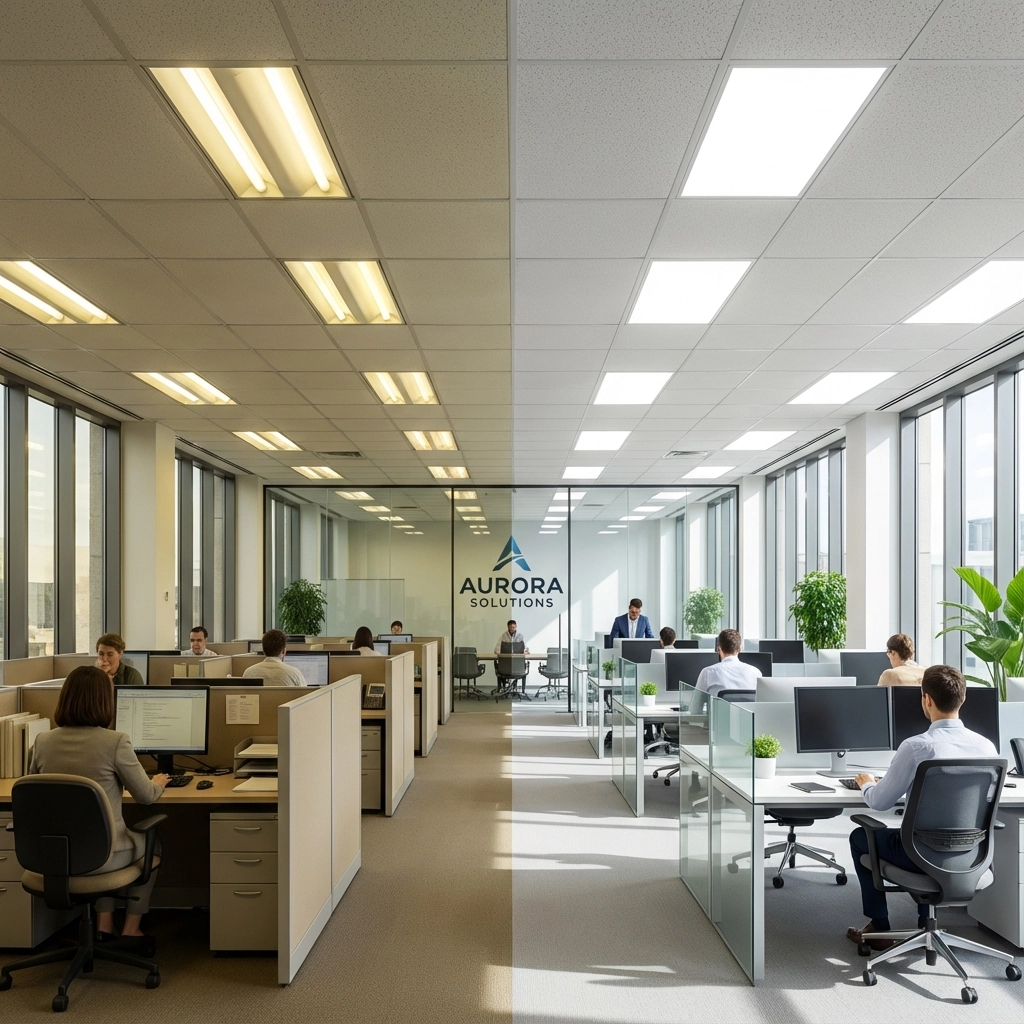
LED lighting represents the fastest payback upgrade for most commercial properties. Traditional fluorescent and incandescent fixtures consume 60-80% more electricity than modern LED systems while requiring frequent replacement.
A typical 50,000 square foot office building can save $8,000-$15,000 annually by converting to LED lighting. With utility rebates of up to $249 per fixture available through many California programs, your initial investment often pays back within 18-24 months.
Beyond energy savings, LEDs last 25 times longer than incandescent bulbs and 3 times longer than fluorescents, dramatically reducing maintenance costs and tenant disruptions from frequent bulb changes.
2. Smart Building Automation Systems (BAS)
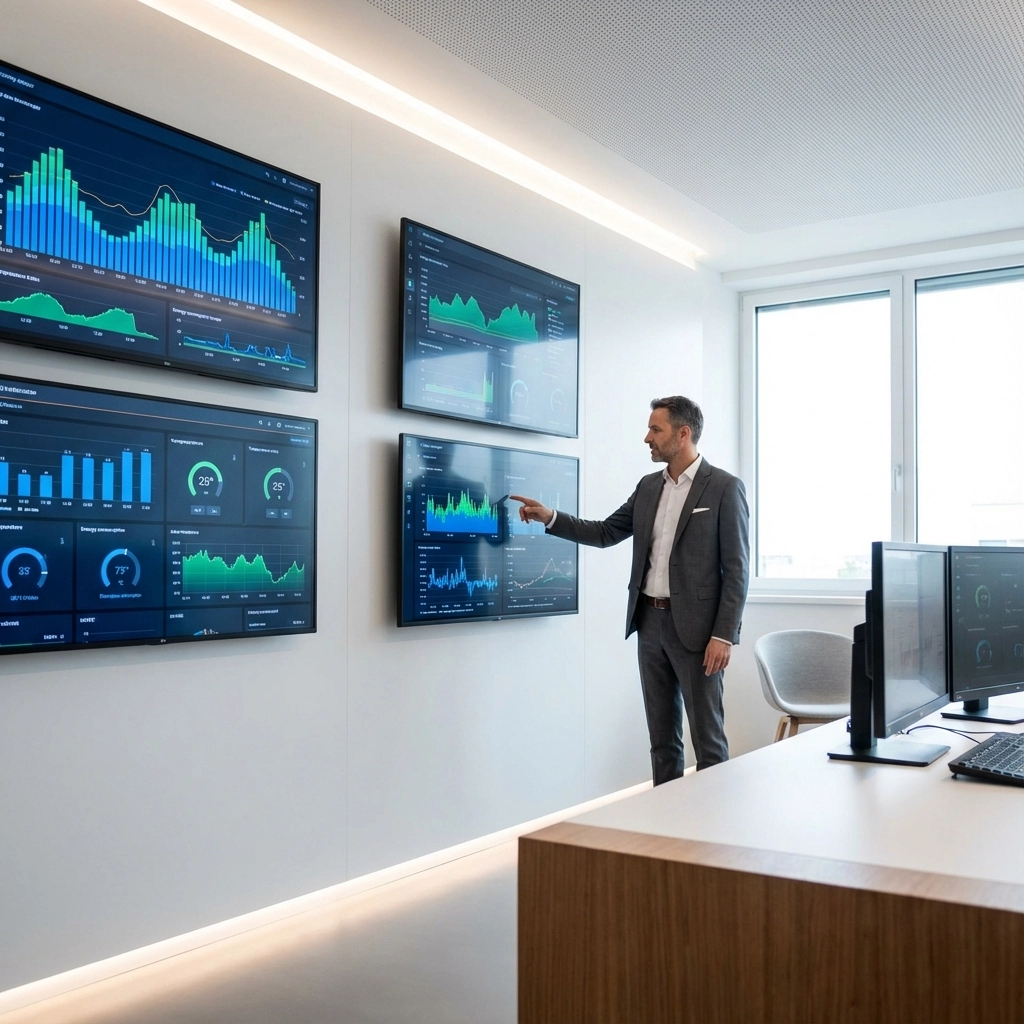
Building automation systems create intelligent control over your property's electrical consumption. Modern BAS platforms monitor occupancy patterns, adjust lighting and HVAC automatically, and identify waste in real-time.
Commercial properties with comprehensive BAS installations typically achieve 15-30% energy reductions within the first year. A 100,000 square foot commercial building averaging $50,000 in annual electricity costs could save $7,500-$15,000 annually through automated optimization alone.
The system pays for itself through reduced energy consumption while providing valuable operational data that helps you make informed decisions about future upgrades and maintenance schedules.
3. Power Factor Correction Equipment
Poor power factor forces your electrical system to work harder, drawing more current to deliver the same amount of useful power. This inefficiency shows up directly on your utility bill through demand charges and power factor penalties.
Installing capacitor banks and power factor correction equipment typically improves power factor from 0.7-0.8 to 0.95 or higher. For properties with significant motor loads: like manufacturing facilities, restaurants, or buildings with large HVAC systems: this upgrade often reduces electricity costs by 10-15%.
Most installations pay for themselves within 2-3 years through reduced demand charges alone, with ongoing savings continuing for decades.
4. Variable Frequency Drives (VFDs) for Motors
Motors running at full speed when partial load would suffice waste enormous amounts of energy. Variable frequency drives allow motors to operate at optimal speeds based on actual demand, delivering 15-40% energy savings on motor-driven equipment.
VFDs work particularly well for:
HVAC fan and pump motors
Elevator systems
Industrial process equipment
Water circulation pumps
A typical commercial HVAC system with VFD installation saves $2,000-$8,000 annually depending on building size and usage patterns. With equipment costs declining, most VFD installations achieve payback within 3-4 years.
5. Energy-Efficient HVAC Electrical Systems
HVAC systems typically consume 40-60% of a commercial building's total electricity. Upgrading electrical components: including smart thermostats, variable-speed motors, and energy recovery systems: can reduce HVAC consumption by 20-35%.
Key electrical upgrades for HVAC efficiency include:
Programmable thermostats with occupancy sensors
High-efficiency motor controls
Demand-controlled ventilation systems
Heat recovery systems with efficient controls
These upgrades work synergistically with mechanical HVAC improvements to maximize energy savings while maintaining superior comfort levels that keep tenants satisfied.
6. Electrical Panel and Distribution Upgrades
Outdated electrical panels and undersized wiring create resistance that wastes energy and increases fire risks. Modern electrical panels with proper circuit sizing eliminate these losses while improving safety and reliability.
Upgrading from older panels to modern, properly-sized electrical distribution systems typically reduces energy waste by 5-8% through improved power quality and reduced resistance losses. For a large commercial property, this translates to thousands of dollars in annual savings.
Additionally, modern panels support smart monitoring systems and provide the infrastructure needed for future upgrades like EV charging stations.
7. Solar Power Integration with Smart Inverters
Commercial solar installations have become increasingly cost-effective, with prices dropping 60% over the past decade. Modern solar systems with smart inverters can offset 40-80% of a building's electricity consumption.
California's commercial solar incentives, including accelerated depreciation and tax credits, often reduce net installation costs by 40-50%. Combined with ongoing electricity savings, most commercial solar installations achieve payback within 5-7 years while providing 20+ years of reduced energy costs.
Smart inverters optimize power production and can integrate with building automation systems for maximum efficiency.
8. Smart Energy Monitoring and Management Systems
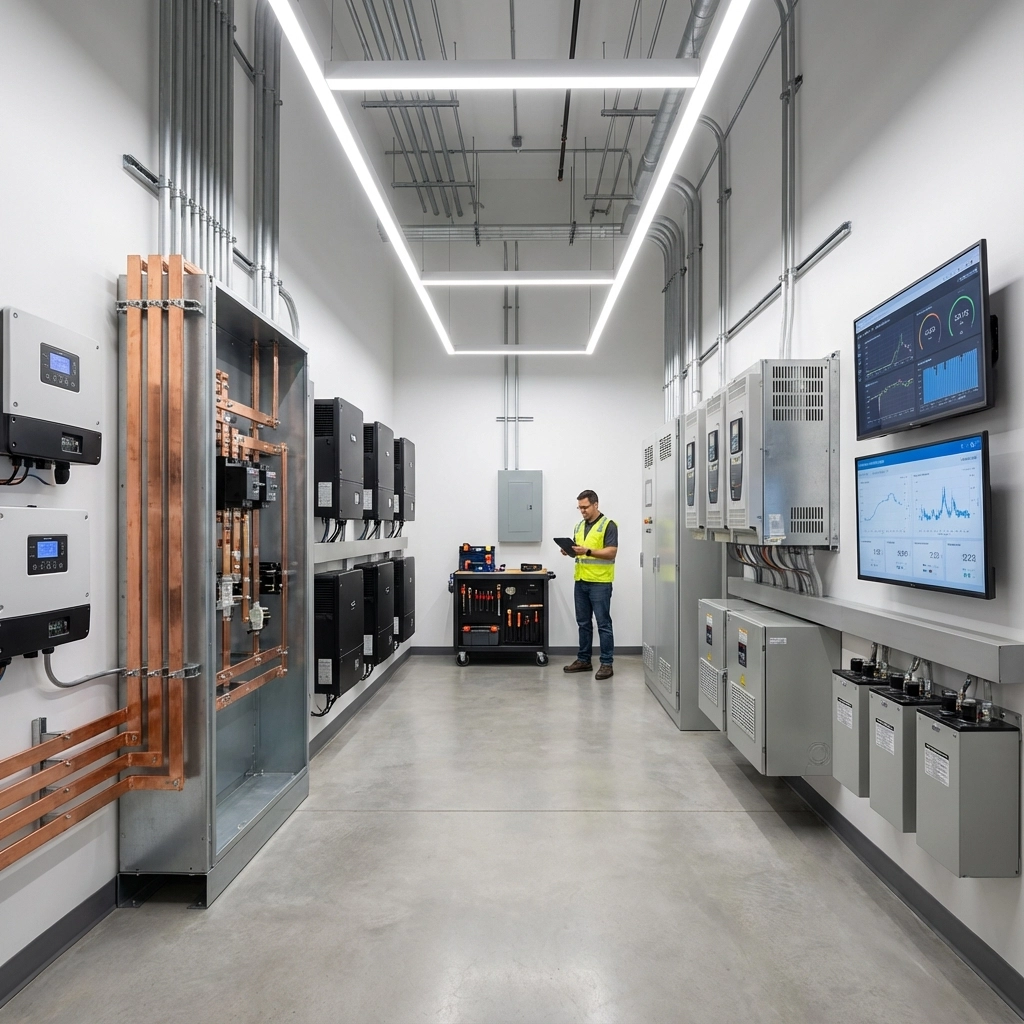
You can't manage what you don't measure. Advanced energy monitoring systems provide real-time visibility into electricity consumption patterns, identifying waste and optimization opportunities that often go unnoticed.
These systems typically identify 8-15% in immediate energy savings through:
Detection of equipment running unnecessarily during off-hours
Identification of failing equipment drawing excess power
Optimization of load scheduling to avoid peak demand charges
Automated alerts for unusual consumption patterns
Many property managers recover the system cost within 12-18 months through identified savings alone.
9. High-Efficiency Electrical Equipment
Replacing older electrical equipment with high-efficiency alternatives reduces consumption while improving reliability. Key opportunities include:
Water Heaters: High-efficiency electric water heaters use 15-25% less energy than standard models while providing better temperature control and longer service life.
Commercial Kitchen Equipment: Energy Star certified equipment in commercial kitchens can reduce electricity consumption by 20-30% while maintaining performance standards.
Computer and Office Equipment: Modern servers, computers, and office equipment with advanced power management features significantly reduce standby power consumption.
10. Proper Electrical Circuit Design and Wiring Upgrades
Undersized wiring forces electricity to overcome additional resistance, wasting energy and generating excess heat. Upgrading to properly-sized copper wiring and optimizing circuit design eliminates these losses.
Modern electrical design includes:
Correct wire gauge sizing for actual loads
Balanced three-phase loads to minimize neutral current
Dedicated circuits for high-draw equipment
Strategic placement of electrical panels to minimize wire runs
While these upgrades require more significant investment, they provide ongoing energy savings while supporting future electrical needs and improving safety.
Maximizing Your Return on Investment
The key to successful electrical upgrades lies in strategic implementation. Start with energy monitoring systems to identify your biggest opportunities, then prioritize upgrades based on payback period and available incentives.
Many California utilities offer significant rebates for commercial electrical efficiency upgrades, often covering 20-40% of installation costs. Additionally, federal tax incentives and accelerated depreciation can further improve project economics.
Consider phased implementation to spread costs while generating savings that help fund subsequent upgrades. Energy-efficient electrical systems also increase property values and tenant satisfaction, providing benefits beyond utility bill reduction.
Don't let rising energy costs continue crushing your budget. Strategic electrical upgrades offer a proven path to reducing operating expenses while improving your property's performance, safety, and value. Contact our commercial electrical team to evaluate upgrade opportunities specific to your property and develop a cost-effective implementation plan.


Comments