
Do You Really Need a Licensed C-10 Electrical Contractor? Here's the Truth
- gcarbajal276
- Dec 17, 2025
- 4 min read
As a commercial property manager, you face constant pressure to balance cost control with regulatory compliance and safety standards. When electrical issues arise, you might wonder whether hiring a licensed C-10 electrical contractor is truly necessary or just an expensive formality. The short answer is unequivocal: yes, you absolutely need a licensed C-10 contractor for any substantial electrical work in California.
Let me break down exactly why this matters for your properties, your business, and your legal protection.
What Exactly Is a C-10 License?
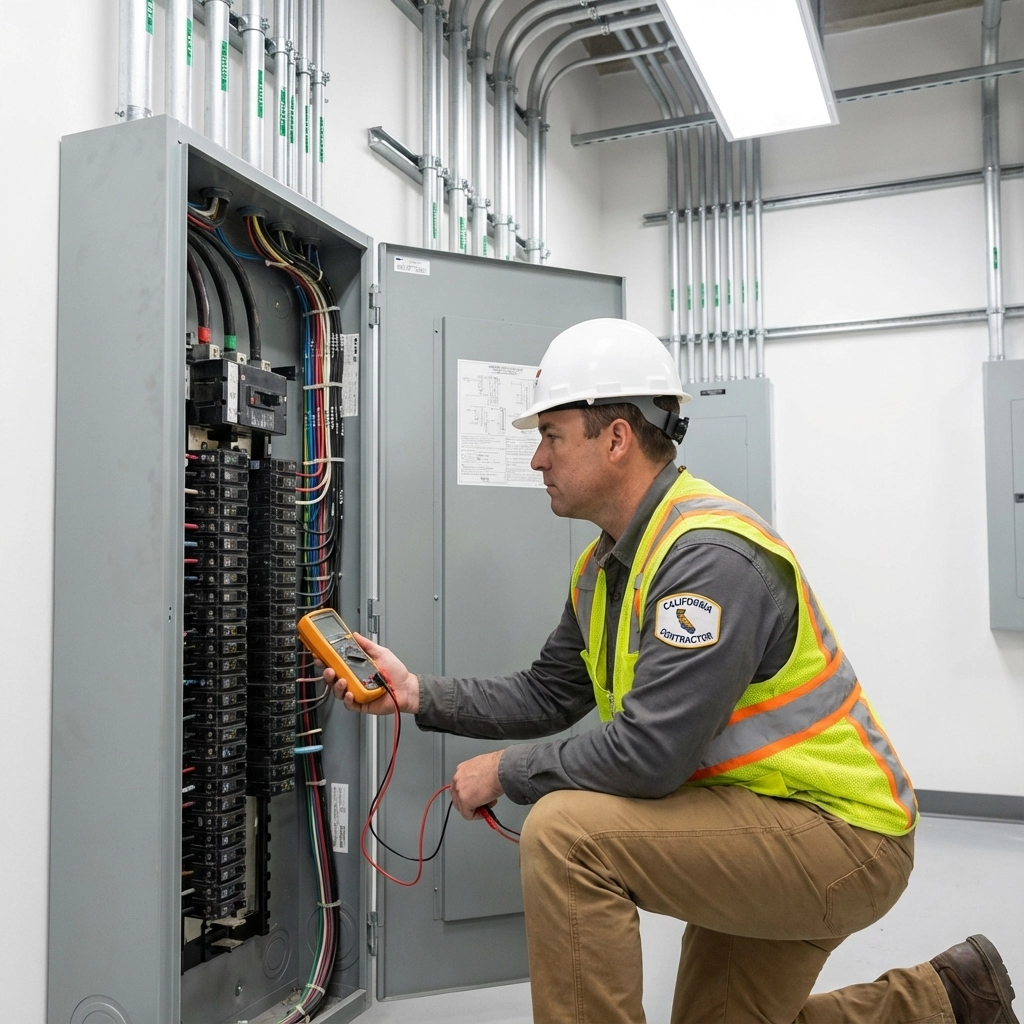
The C-10 license is California's specific classification for electrical contractors, issued by the Contractors State License Board (CSLB). This license authorizes contractors to perform installation, erection, or connection of electrical wires, fixtures, appliances, apparatus, raceways, conduits, solar photovoltaic cells, and electrical systems that generate, transmit, transform, or utilize electrical energy in any form.
Unlike general handyman services, C-10 licensed contractors have demonstrated four years of journey-level electrical experience, passed both Law and Business examinations and Trade-specific tests, and maintain bonding and insurance requirements. They're not just electricians: they're qualified electrical contractors who can legally manage complex commercial projects.
Legal Requirements You Cannot Ignore
In California, the law is crystal clear: any electrical work exceeding $500 in combined labor and materials requires a licensed C-10 contractor. This isn't a suggestion: it's a legal mandate with serious consequences for non-compliance.
Here's what you need to understand about the legal framework:
Permit Requirements: Only licensed C-10 contractors can pull electrical permits for your commercial properties. Without proper permits, your electrical work is illegal, regardless of quality. This creates massive liability exposure and can void your insurance coverage.
Code Compliance: Licensed contractors are legally responsible for ensuring all work meets current National Electrical Code (NEC) standards and local amendments. They understand the intricate requirements that apply to commercial properties, including fire safety systems, emergency lighting, and accessibility compliance.
Inspection Authority: Municipal inspectors will only work with licensed contractors. If you attempt to use unlicensed workers, inspectors can red-tag your project, forcing costly delays and rework.
The Hidden Costs of Unlicensed Work
While unlicensed contractors might quote lower prices, the true cost calculation tells a different story. I've witnessed commercial property managers face devastating financial consequences from choosing unlicensed electrical work.
Insurance Complications: Most commercial property insurance policies explicitly exclude coverage for damage caused by unlicensed contractors. A single electrical fire traced to unlicensed work can result in complete claim denial, leaving you personally liable for millions in damages.
Liability Exposure: When unlicensed workers cause accidents, injuries, or property damage, the liability often flows directly to the property owner. Licensed C-10 contractors carry mandatory liability insurance and workers' compensation coverage, creating essential protective barriers.
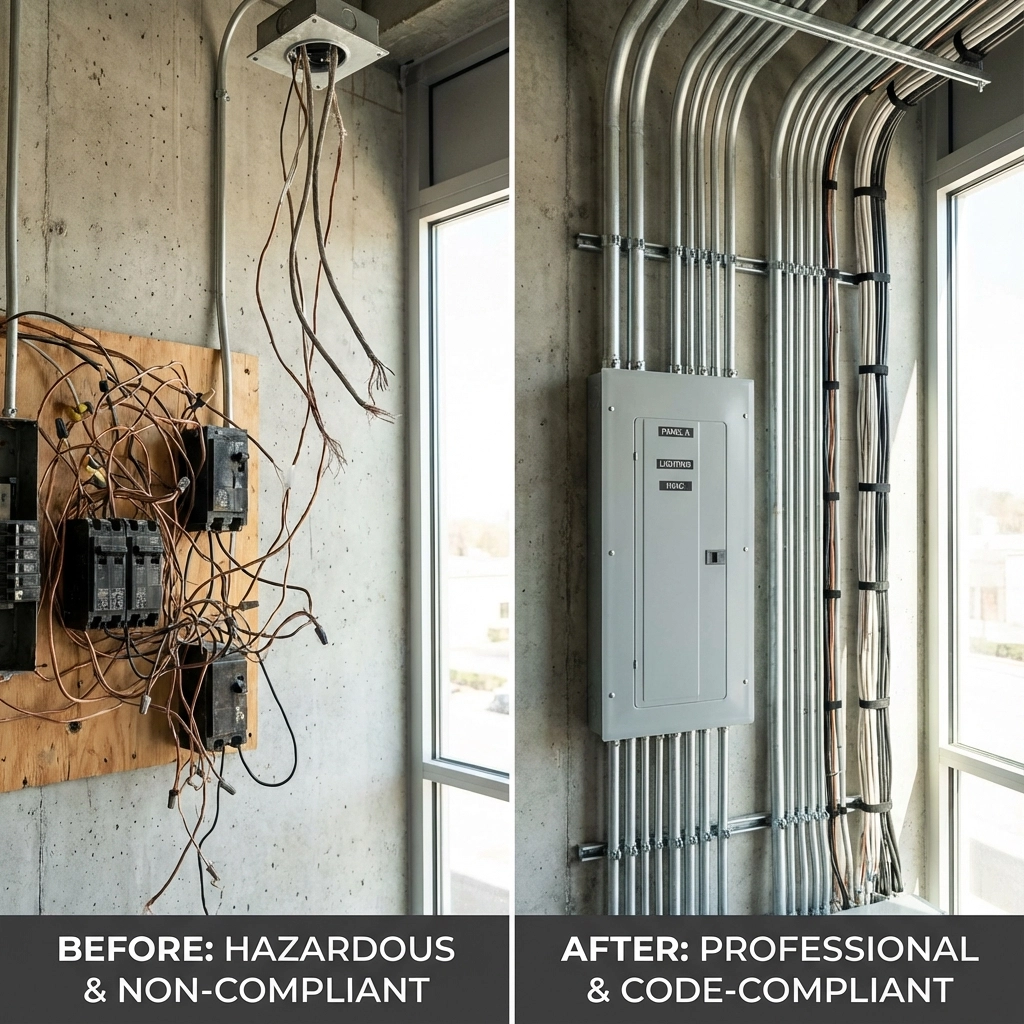
Rework Costs: Improperly installed electrical systems frequently require complete reconstruction to meet code requirements. What initially appeared as savings quickly becomes exponentially more expensive when you factor in demolition, proper installation, and extended project timelines.
Quality Assurance and Professional Standards
Licensed C-10 contractors operate within a comprehensive regulatory framework that ensures consistent quality standards. This framework provides several critical advantages for commercial property managers:
Technical Competency: C-10 licensing requires demonstrated expertise in complex electrical systems, including three-phase power distribution, commercial lighting controls, emergency power systems, and fire alarm integration. These aren't skills you'll find with general handymen or unlicensed workers.
Continuing Education: Licensed contractors must complete ongoing education requirements to maintain their credentials, ensuring they stay current with evolving electrical codes, new technologies, and safety protocols.
Professional Accountability: The CSLB maintains disciplinary authority over licensed contractors, providing recourse when work quality or business practices fall short of professional standards.
Risk Management for Commercial Properties
Commercial electrical systems present unique challenges that require specialized expertise. Unlike residential properties, commercial buildings typically involve:
Complex load calculations and power distribution
Emergency backup systems and fire life safety equipment
Sophisticated lighting control and automation systems
Integration with security and building management systems
Compliance with ADA accessibility requirements
Licensed C-10 contractors understand these complexities and can navigate the intricate requirements that govern commercial electrical installations. They know how to coordinate with other trades, work within occupied buildings, and minimize disruption to your tenants' operations.

Due Diligence Best Practices
When evaluating electrical contractors for your commercial properties, implement these verification procedures:
License Verification: Always verify current licensing status through the CSLB website. Check that the license classification matches your project scope and confirm there are no outstanding complaints or disciplinary actions.
Insurance Documentation: Require current certificates of liability insurance and workers' compensation coverage. Verify that your property is listed as an additional insured on their policy.
Bond Verification: Ensure the contractor maintains proper bonding as required by law. This provides financial protection if the contractor fails to complete work or address defects.
Local Experience: Prioritize contractors with demonstrated experience in your local jurisdiction. Municipal electrical codes can vary significantly, and local experience ensures familiarity with specific requirements and inspection procedures.
Financial Protection and Project Assurance
Licensed C-10 contractors provide financial protections that unlicensed workers simply cannot offer. The California Contractors Recovery Fund provides limited reimbursement for property owners who suffer losses due to licensed contractor misconduct. While this fund has limitations, it represents a level of protection entirely unavailable when working with unlicensed contractors.
Additionally, licensed contractors typically offer warranties on their work, providing ongoing protection for your investment. These warranties have legal enforceability that creates genuine accountability for long-term performance.
Making the Right Choice for Your Properties
The decision between licensed and unlicensed electrical contractors ultimately comes down to risk tolerance. However, for commercial property managers, this risk tolerance must account for fiduciary responsibilities to property owners, legal compliance obligations, and the potential for catastrophic financial exposure.
Licensed C-10 contractors represent more than regulatory compliance: they provide professional expertise, legal protection, and quality assurance that protects your properties, your business relationships, and your professional reputation.
When electrical issues arise in your commercial properties, the question isn't whether you can afford to hire a licensed C-10 contractor. The question is whether you can afford not to. The legal requirements are clear, the risks of non-compliance are severe, and the professional benefits are substantial.
For reliable, licensed electrical contractors who understand the unique demands of commercial property management, visit our services page or contact our team to discuss your specific project requirements. We're committed to providing the expertise and professional service your commercial properties deserve.


Comments