
California Panel Upgrade Rebates: 5 Steps to Save Thousands on Your Electrical Upgrade (Easy Guide for 2025)
- gcarbajal276
- Dec 17, 2025
- 6 min read
Upgrading your electrical panel is one of the smartest investments you can make as a California homeowner, especially with the state's push toward electrification. The good news? You don't have to shoulder the entire cost yourself. California offers multiple rebate programs that can slash thousands off your panel upgrade expenses.
As we head into 2025, the opportunities to save on electrical upgrades have never been better. With proper planning and the right approach, many homeowners are saving $4,000 to $15,000 or more on their electrical improvements. Here's your step-by-step roadmap to maximize those savings.
Step 1: Assess Your Current Panel and Determine Eligibility
Before diving into rebate applications, you need to understand what you're working with. Most California homes built before 1990 have electrical panels that can't handle today's energy demands, especially if you're planning to add electric vehicles, heat pumps, or induction cooking to your home.
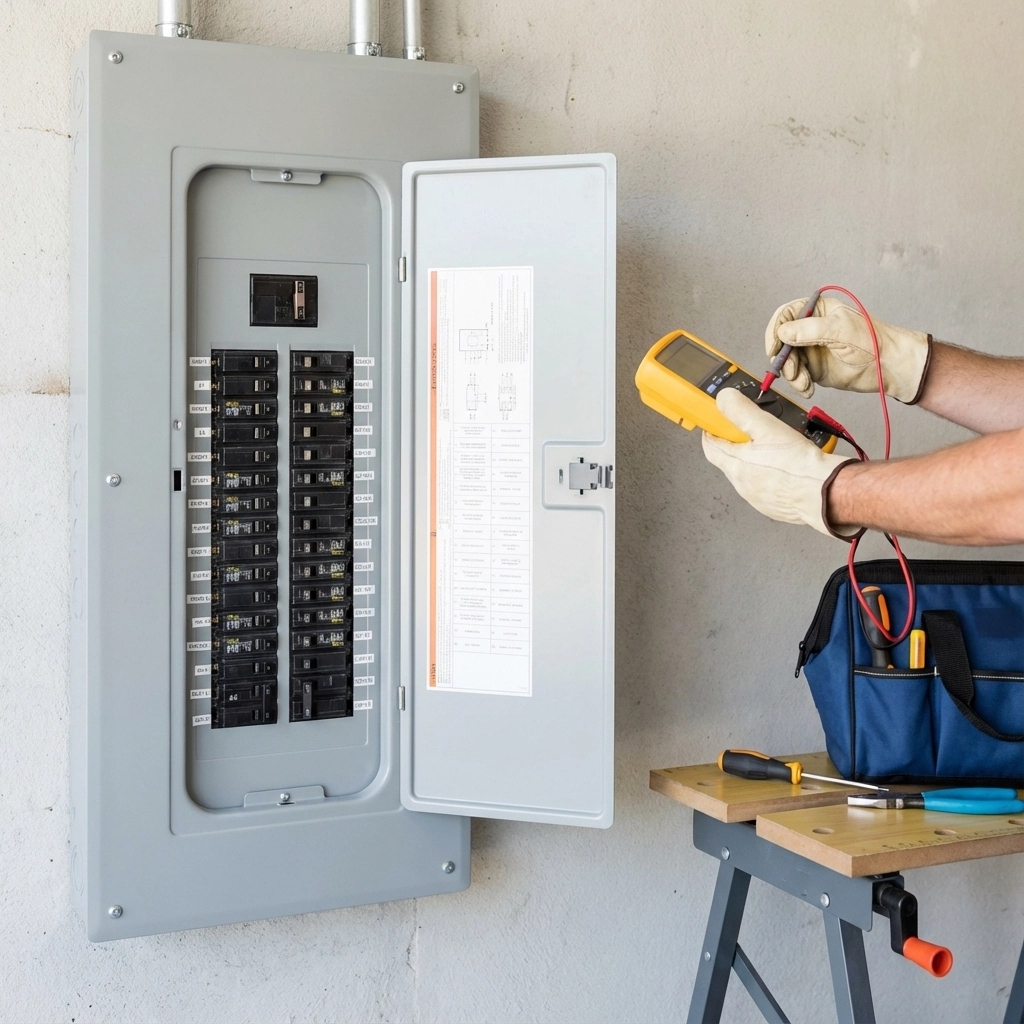
Start by checking your current panel's amperage. If you have a 100-amp panel or less, you're definitely a candidate for an upgrade. Even some 150-amp panels may need upgrading depending on your planned electrical loads. A 200-amp panel is typically the minimum recommended for modern all-electric homes.
Your eligibility for specific rebate programs depends on several key factors:
Location and Utility Provider: Your zip code determines which programs are available. Major California utilities like PG&E, SCE (Southern California Edison), SMUD, and municipal utilities each offer different rebate structures.
Income Level: Many programs offer enhanced rebates for income-qualified households. The TECH Clean California HEEHRA program, for example, provides up to $8,000 for low-income households and $4,000 for moderate-income households.
Project Scope: Are you just upgrading your panel, or are you planning a comprehensive home electrification? The more extensive your project, the more rebates you can potentially stack.
Home Type: Most programs focus on single-family residences, though some cover condos and townhomes.
Take photos of your current electrical panel and note the manufacturer, model, and amperage. This information will be crucial when working with contractors and applying for rebates.
Step 2: Research and Identify Available Rebate Programs
California's rebate landscape can seem overwhelming, but understanding your options is key to maximizing savings. Here are the major programs currently available:
California Energy Smart Homes Rebate: This is the big one. The base rebate starts at $4,250 for homeowners who transition to all-electric homes. You can earn substantial bonuses for installing advanced technologies like variable capacity heat pumps ($1,500), thermal energy storage systems ($2,500), and induction cooking with integrated battery storage ($1,800). The Electric Infrastructure Upgrade Bonus provides up to $600 specifically for panel upgrades.
The total potential savings can exceed $15,000 when you stack all available bonuses. However, timing matters: if you're planning a 2026 project, you'll still receive the same rebate amounts since incentive levels are expected to remain constant through 2027.
SCE Charge Ready Home Program: If you're an SCE customer planning to install an EV charger, this program offers up to $4,200 in rebates specifically for electrical panel upgrades needed to support Level 2 charging. This program is perfect for homeowners whose primary motivation is electric vehicle adoption.
Federal Tax Credits: Don't overlook federal incentives. The Electric Panel Upgrade Tax Credit provides credits for electrical panel improvements with a load capacity of at least 200 amps, installed in connection with qualified energy efficiency improvements. You'll claim this credit using IRS Form 5695.
Local Utility Programs: Municipal utilities often offer their own incentives. Silicon Valley Clean Energy provides up to $1,000 for electrical infrastructure upgrades, with an additional $1,000 for income-qualified customers. San Jose Clean Energy offers $1,000–$2,000 for electric service panel upgrades based on income qualification.
TECH Clean California Programs: These programs specifically target income-qualified residents and require working with TECH-certified contractors. The benefit is comprehensive support throughout the process, often including instant discounts rather than waiting for rebate reimbursements.
Step 3: Calculate Your Total Potential Savings
Here's where the magic happens: stacking rebates to maximize your savings. Many homeowners don't realize that you can often combine multiple programs, dramatically reducing your out-of-pocket costs.
Let's look at a real-world example: A homeowner in San Jose planning a comprehensive electrification project might qualify for:
California Energy Smart Homes base rebate: $4,250
Variable capacity heat pump bonus: $1,500
Electric Infrastructure Upgrade bonus: $600
San Jose Clean Energy panel upgrade rebate: $1,000
Federal tax credit: Up to 30% of qualified improvements
Total potential savings: $7,350+ before federal tax credits
For income-qualified households, the numbers can be even more impressive. A low-income family might access:
TECH Clean California HEEHRA rebate: $8,000
Local utility income-qualified bonus: $1,000
Federal tax credits: Additional percentage of costs
Total potential savings: $9,000+ before federal tax credits
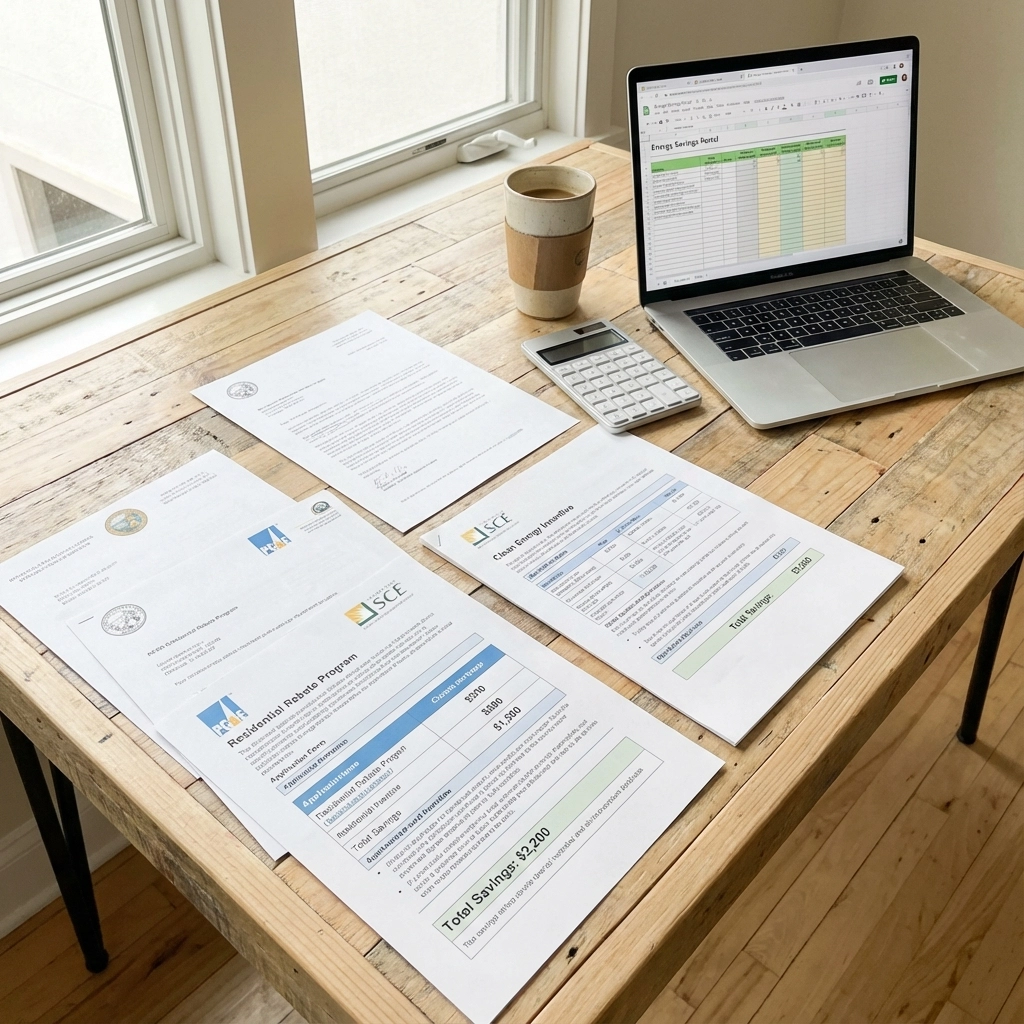
Use online calculators provided by certified contractors or utility companies to get personalized estimates. Many contractors specializing in electrification projects offer free consultations where they'll calculate your specific rebate eligibility without requiring personal information upfront.
Step 4: Prepare Your Documentation and Timeline
Successful rebate applications require careful documentation and strategic timing. Start gathering these essential documents now:
Project Documentation:
Current electrical panel photos and specifications
Load calculations for your planned electrical needs
Permits from your local building department
Detailed contractor quotes and specifications
Financial Documentation:
Proof of income (for income-qualified programs)
Tax returns (for federal credit claims)
Utility bills showing your current provider
Timeline Considerations: Some rebate programs have specific application windows or funding limitations. The California Energy Smart Homes program, for instance, had an application deadline of November 3, 2025, for projects completed in 2025. If you missed that window, you can still apply for 2026 projects starting in early 2026.
For projects planned in 2026, submit applications as early as possible. Many programs operate on a first-come, first-served basis, and popular rebates can reach their funding caps quickly.
Keep detailed records throughout your project. Take before and after photos, save all invoices, and maintain copies of inspection reports. These documents will be required for rebate submissions and are essential for claiming federal tax credits.
Step 5: Choose the Right Contractor and Execute Your Plan
Your contractor choice can make or break your rebate success. Look for electricians who are:
Licensed and Insured: Always verify California C-10 electrical contractor licensing. This isn't just for quality assurance: many rebate programs require work to be performed by licensed contractors.
Rebate-Experienced: Choose contractors who regularly work with California's rebate programs. They should understand application requirements, documentation needs, and common pitfalls that can delay or disqualify rebate claims.
TECH-Certified: If you're pursuing TECH Clean California programs, work with TECH-certified contractors. They can provide project quotes, reserve incentive funds, and guide you through the entire rebate process. Many offer instant discounts rather than requiring you to pay full price and wait for reimbursements.
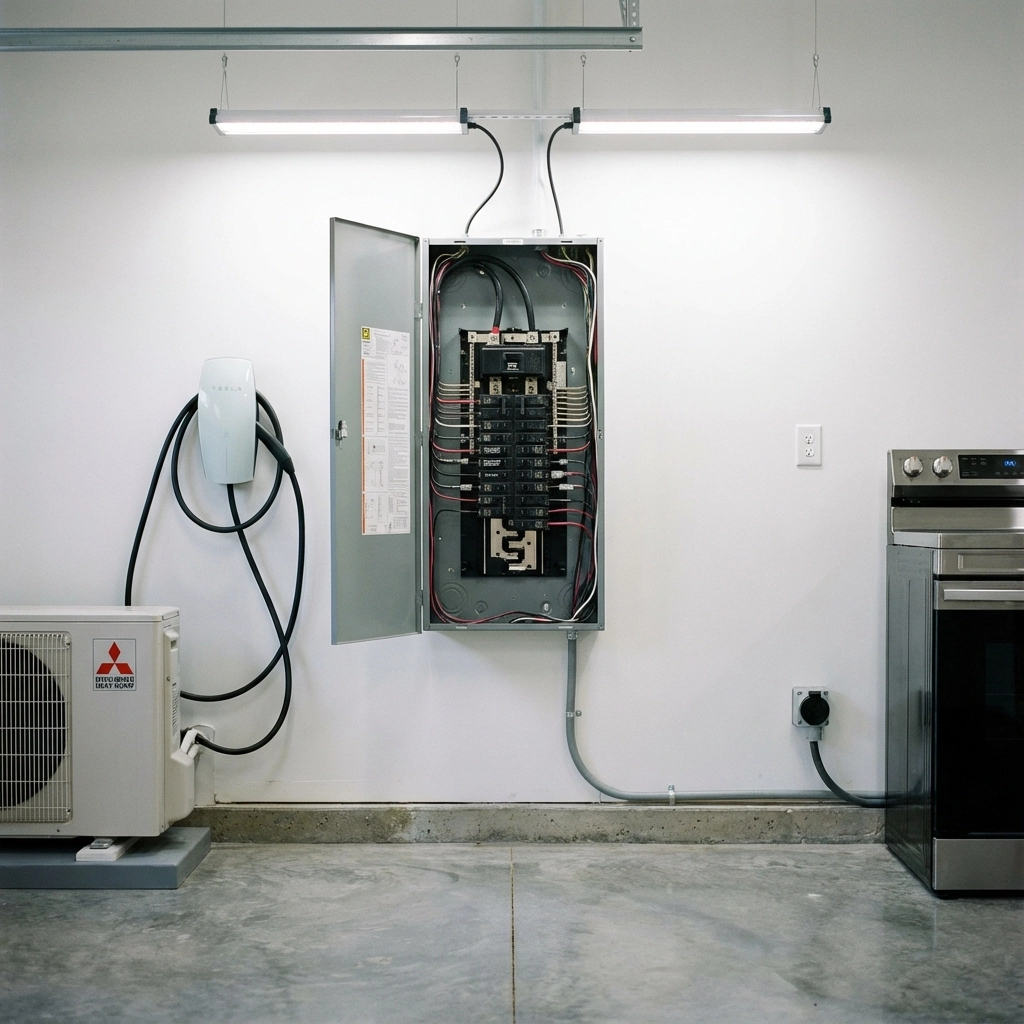
Comprehensive Service Providers: Consider contractors who can handle multiple aspects of home electrification beyond just panel upgrades. If you're planning to add heat pumps, EV charging, or induction cooking, working with a contractor experienced in all these areas can streamline your project and maximize rebate opportunities.
During the selection process, ask potential contractors about their rebate experience. How many California Energy Smart Homes applications have they submitted? What's their success rate with rebate approvals? Can they provide references from recent customers who received substantial rebates?
The best contractors will handle much of the rebate paperwork for you, but stay involved in the process. Review all applications before submission, and don't hesitate to ask questions about timelines, requirements, or potential issues.
Maximizing Your Investment Beyond Rebates
While rebates provide immediate savings, consider the long-term benefits of your electrical panel upgrade. A modern 200-amp panel increases your home's value, improves safety, and positions you for future electrification projects. Many homeowners find that their upgraded electrical infrastructure pays for itself through reduced energy costs and increased home value, even before considering rebates.
Plan for future needs when sizing your new panel. If you're not ready for an electric vehicle today, ensure your panel can support Level 2 charging later. Similarly, consider future heat pump installations or solar system additions when planning your electrical capacity.
Taking Action on Your Panel Upgrade
California's rebate programs represent a limited-time opportunity to significantly reduce your electrical upgrade costs. With proper planning and the right contractor partnership, you can save thousands while improving your home's safety, efficiency, and value.
Start by contacting your utility provider to understand your specific program options. Then, connect with licensed C-10 contractors who specialize in rebate-eligible electrical upgrades. The combination of state rebates, local utility incentives, and federal tax credits makes 2025 and 2026 ideal years for electrical panel upgrades.
Don't wait until rebate funding runs out or program requirements change. Begin your planning process now to ensure you capture maximum savings on your electrical upgrade investment.
Ready to explore your electrical panel upgrade options? Contact Current Electric Inc. to discuss your specific needs and rebate eligibility. Our licensed C-10 contractors specialize in maximizing rebate opportunities while delivering reliable, code-compliant electrical upgrades throughout Southern California.


Comments