DIY EV Charger Install vs Hiring a Pro: Which Is Better For Your SoCal Home?

You just bought a shiny new electric vehicle. Congratulations: you're officially part of the clean energy revolution here in Southern California. Now comes the next big decision: how are you going to charge it at home?


If you're handy around the house, the thought of installing your own EV charger has probably crossed your mind. After all, how hard can it be? You've watched a few YouTube videos, and the charger came with instructions. But before you grab your toolbox and head to the garage, there are some serious factors you need to consider.


The truth is, EV charger installation isn't your typical weekend DIY project. We're talking about high-voltage electrical work that, when done incorrectly, can lead to safety hazards, code violations, voided warranties, and thousands of dollars in unexpected costs.


Let's break down exactly what's at stake so you can make the best decision for your SoCal home.

Why EV Charger Maintenance Actually Matters

Think of your EV charging stations like any other critical building system. Your HVAC, elevators, and fire safety equipment all require regular maintenance to function properly. EV chargers are no different. 


Here's what's at stake when maintenance falls by the wayside: 


Industry data suggests that maintaining uptime of 98% or above is essential for encouraging consistent resident use and generating steady revenue. That's a target you simply can't hit without a structured maintenance approach.

Understanding the Two Types of EV Chargers

Before diving into the DIY vs. professional debate, it helps to understand what you're working with.


Level 1 Chargers plug into a standard 120-volt household outlet. They're slow (adding about 3-5 miles of range per hour), but they require zero installation. If you have a dedicated outlet in your garage, you're good to go.


Level 2 Chargers are where things get serious. These require a 240-volt dedicated circuit: the same type of power that runs your dryer or oven. Level 2 chargers add 25-30 miles of range per hour, making them the practical choice for most SoCal homeowners who rely on their EVs for daily commuting.


The installation of a Level 2 charger involves checking your electrical panel's capacity, running dedicated 240-volt wiring, ensuring proper grounding, and connecting the unit according to strict electrical codes. This is where the DIY approach gets risky.

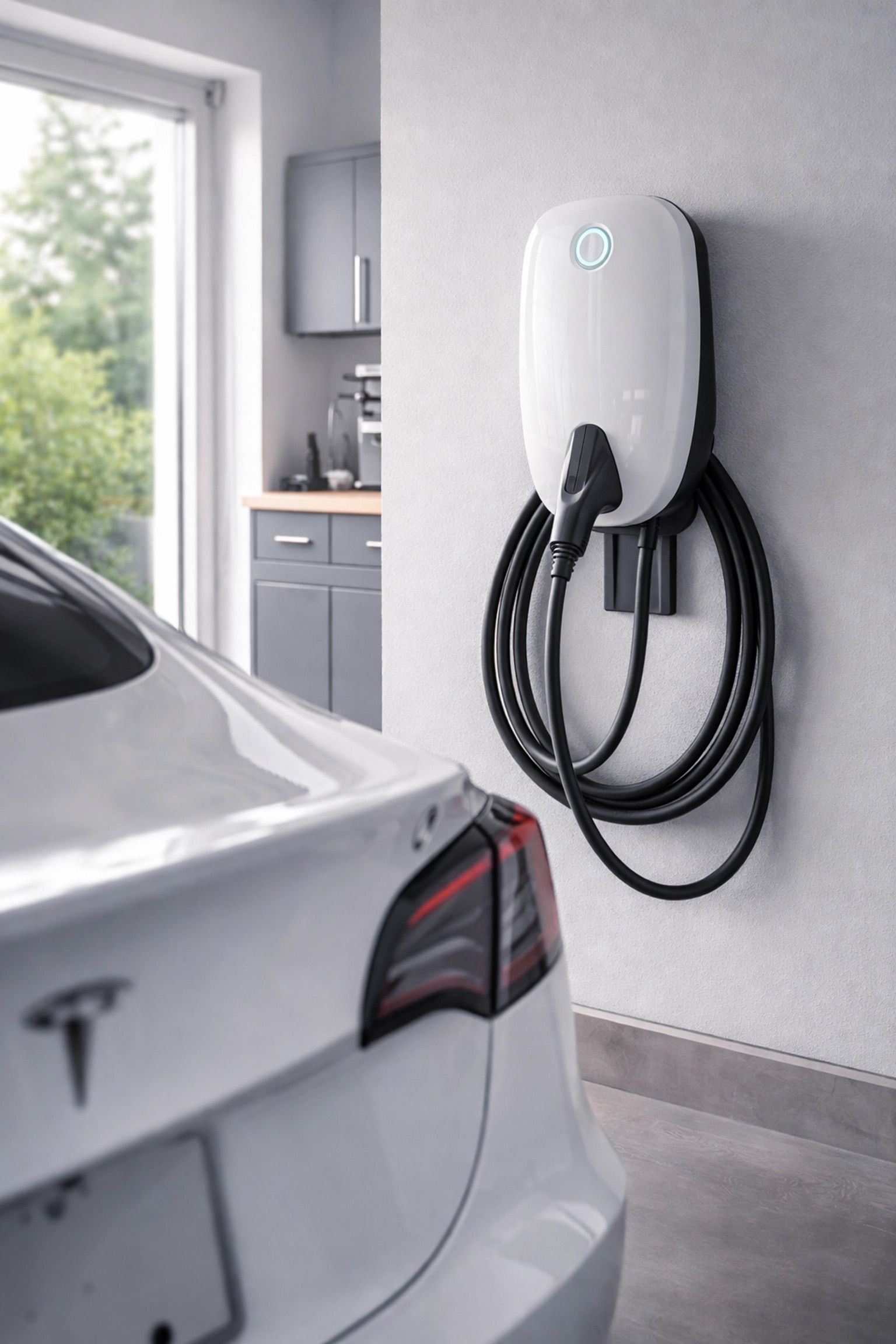
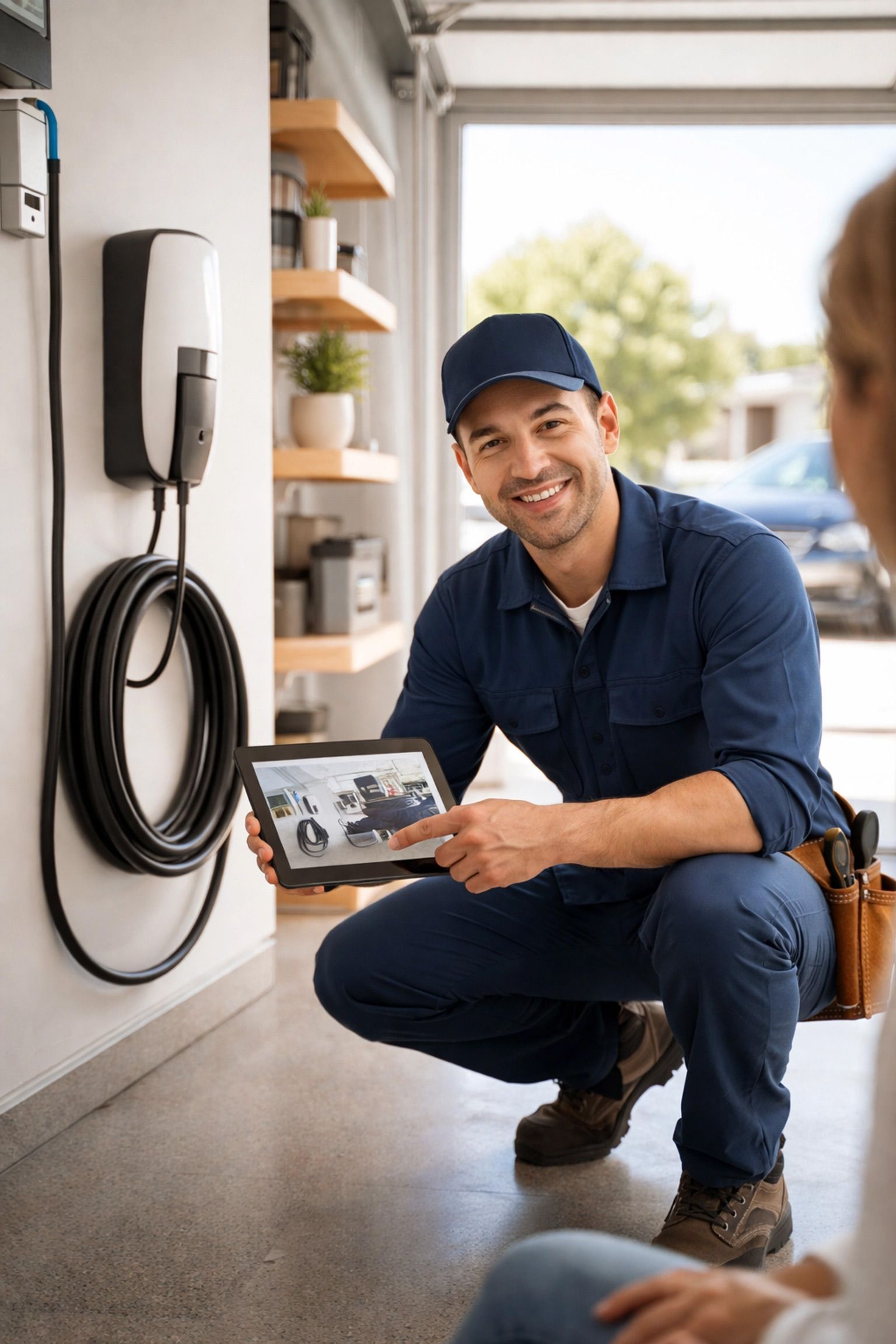
White Tesla charging at a wall-mounted EV charger in a garage.

The Real Safety Risks of DIY EV Charger Installation

Let's be direct: electrical work at 240 volts is dangerous. One wrong move can result in electrical shock, burns, or worse. But the risks don't stop there.


Fire Hazards: Improperly installed wiring can overheat, especially when handling the sustained electrical load that EV charging demands. A loose connection or undersized wire can smolder behind your walls for weeks before igniting.


Electrical Panel Overloads: Many SoCal homes: especially those built before the EV era: weren't designed to handle the additional load of a Level 2 charger. Without a proper load calculation, you could overload your panel, causing breakers to trip repeatedly or, in worst-case scenarios, creating a fire risk.


Improper Grounding: EV chargers must be properly grounded to protect both you and your vehicle. Faulty grounding can lead to electric shock when you plug in or unplug your car.


I've seen firsthand what happens when homeowners cut corners on electrical safety. The consequences aren't worth the few hundred dollars you might save on labor.

Code Violations: A Costly Mistake Waiting to Happen

Here's something many DIY enthusiasts don't realize: EV charger installations require permits in virtually every Southern California city and county. This isn't just bureaucratic red tape: it's a safety measure designed to protect you and your home.


  • When you pull a permit, your installation gets inspected by a qualified professional who ensures everything meets the National Electrical Code (NEC) and your local jurisdiction's specific requirements. And here in SoCal, those requirements can vary significantly from one city to the next.
  • What happens if you skip the permit or fail inspection?
  • You'll be required to bring the installation up to code, often at a higher cost than doing it right the first time
  • You could face fines from your local building department
  • Your homeowner's insurance may deny claims related to electrical fires or damage
  • When you sell your home, unpermitted work can derail the sale or reduce your property value


Permit fees typically run between $100-$500, with inspection fees adding another $50-$200. That's a small price to pay for peace of mind and legal compliance.

White Tesla charging at a wall-mounted EV charger in a garage.

Warranty Issues You Can't Afford to Ignore

This is where many homeowners get blindsided. Most EV charger manufacturers require professional installation to maintain warranty coverage. Install it yourself, and you could void that warranty entirely.


But it doesn't stop at the charger. Your vehicle's warranty may also be affected by an improperly installed home charging setup. If a faulty installation damages your EV's onboard charger or battery system, you could be looking at repair bills in the tens of thousands of dollars: with no warranty protection.


Additionally, your homeowner's insurance may have provisions that limit coverage for damage caused by unpermitted or improperly installed electrical work. In the event of a fire or electrical accident, you could find yourself without the coverage you thought you had.

The Financial Reality: DIY Isn't Always Cheaper

On paper, DIY installation looks like the budget-friendly option. You save on labor costs and only pay for materials, right?


Not so fast.


Here's what DIY installers often don't account for:

  • Permit and inspection fees: $150-$700
  • Specialized tools and equipment: $100-$300
  • Time investment: What a licensed electrician completes in 2-3 hours can take a DIYer an entire weekend or longer
  • Cost of mistakes: Failed inspections mean rework, often requiring you to hire a professional anyway


When you add up these hidden costs, the savings from DIY installation often evaporate. And if something goes wrong: a failed inspection, a damaged charger, or worse: you'll end up paying significantly more than if you'd hired a professional from the start.


Professional installation also increases your property value. Studies show that EV charging capability is increasingly attractive to homebuyers, and a properly permitted, professionally installed system is a selling point that DIY work simply can't match.

Why Hiring a Licensed C-10 Contractor Makes Sense

In California, electrical work must be performed by a licensed contractor. For EV charger installations, that means a C-10 Electrical Contractor: a license that requires passing rigorous exams, carrying proper insurance, and demonstrating expertise in electrical systems.


  • When you hire a licensed C-10 contractor like Current Electric Inc., you get:
  • Code compliance guaranteed: We know SoCal's electrical codes inside and out, from LA County to Orange County and everywhere in between
  • Proper permitting: We handle all permit applications and inspections, so you don't have to navigate the bureaucracy
  • Safety assurance: Our installations meet or exceed all NEC requirements, protecting your home and family
  • Warranty protection: Professional installation keeps your charger, vehicle, and homeowner's insurance warranties intact
  • Expert assessment: We evaluate your electrical panel's capacity and recommend any necessary upgrades before installation begins
White Tesla charging at a wall-mounted EV charger in a garage.

What to Expect From Professional EV Charger Installation

Wondering what the process looks like when you hire a pro? Here's a quick overview:

  • Initial Assessment: We inspect your electrical panel, evaluate your garage or charging location, and determine if any upgrades are needed
  • Permit Application: We pull all necessary permits with your local building department
  • Installation: Our licensed electricians install the dedicated circuit, wiring, and charger according to code
  • Inspection: We coordinate with inspectors to ensure everything passes on the first try
  • Final Walkthrough: We show you how to use your new charger and answer any questions


The entire process typically takes just a few days from start to finish, with minimal disruption to your daily routine.

Making the Right Choice for Your SoCal Home

Look, I get the appeal of DIY projects. There's satisfaction in doing things yourself and saving a few bucks in the process. But EV charger installation isn't the place to cut corners.


The safety risks are real. The code requirements are strict. The warranty implications are significant. And when you factor in hidden costs, DIY installation often isn't the money-saver it appears to be.


For most SoCal homeowners, hiring a licensed C-10 electrical contractor is the smarter, safer, and ultimately more cost-effective choice. You get peace of mind knowing the job is done right, your warranties remain intact, and your home is protected.

Ready to Power Up Your EV the Right Way?

At Current Electric Inc., we've helped hundreds of Southern California homeowners make the switch to convenient, safe home EV charging. Our licensed electricians handle everything from panel upgrades to charger installation, ensuring full code compliance and your complete satisfaction.


Don't risk your safety or your investment on a DIY installation. Contact us today for a free consultation and find out how easy professional EV charger installation can be.

Recent Posts

Row of electrical breaker switches in a dim industrial corridor, lit by cool overhead lights
June 22, 2026
When it comes to maintaining a safe and comfortable living environment, few things are as crucial as the electrical system in your home. Electrical issues can lead to serious hazards, including fires, shocks, and costly repairs. That’s why I always emphasize the importance of regular electrical inspections. These inspections are not just about compliance or ticking a box—they are about protecting your home, your family, and your investment. Electrical systems are complex and often hidden...
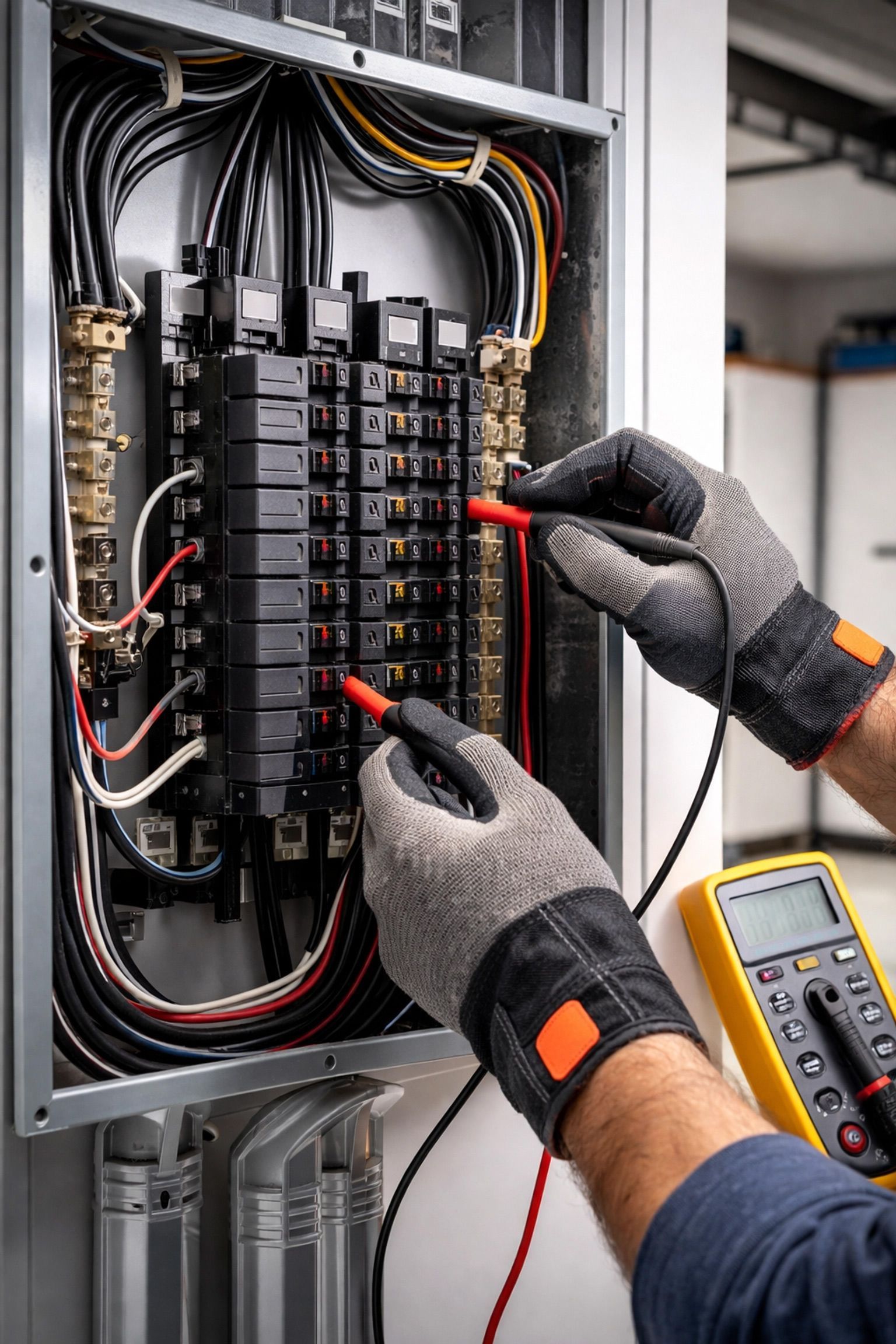
Technician holding a yellow multimeter while testing wiring in an electrical control panel.
May 18, 2026
When electrical issues arise, they can disrupt daily life and business operations quickly. Knowing how to approach these problems with confidence and skill is essential. I’ve spent years honing my ability to diagnose and fix electrical faults efficiently, and I’m excited to share these insights with you. Whether you’re managing a home or a commercial property in Southern California, mastering troubleshooting electrical problems will save you time, money, and stress. Understanding the Basics...
Worker in orange hard hat wiring an electrical panel indoors
April 20, 2026
Replacing an electrical panel is a significant home or business upgrade. It’s not just about swapping out old equipment. It’s about safety, efficiency, and preparing your property for future electrical demands. But one of the biggest questions I get asked is: How much will this cost? Today, I want to break down the factors that influence panel replacement pricing and help you understand what to expect. This way, you can make informed decisions and avoid surprises. What Influences Panel...
Electrician in a hard hat inspecting wiring inside an open electrical panel.
March 23, 2026
When it comes to keeping your home safe and comfortable, electrical systems play a crucial role. I’ve learned that trusting professional home electrical services is the best way to ensure your home’s wiring, outlets, and electrical panels are up to code and functioning properly. Electrical issues can be hidden and dangerous, but with the right expertise, you can prevent hazards and enjoy peace of mind. In this post, I’ll share practical insights about home safety electrical solutions, explain...
Electrician in a yellow hard hat inspecting an open electrical panel inside a room.
March 20, 2026
Replacing an electrical panel is a significant home or business upgrade. It’s not just about swapping out old equipment. It’s about safety, efficiency, and preparing your property for future electrical demands. But one of the biggest questions I get asked is: How much will this cost? Today, I want to break down the factors that influence panel replacement pricing and help you understand what to expect. This way, you can make informed decisions and avoid surprises. What Influences Panel...
Worker installing a ceiling light in a room, reaching up beneath a bright round fixture.
March 20, 2026
Lighting can completely change the way a space feels and functions. Whether you want to brighten up your home, create a welcoming atmosphere in your business, or enhance the safety and appeal of your property, professional lighting installation experts can make all the difference. I’ve seen firsthand how the right lighting transforms spaces, and I’m excited to share how you can achieve the same results. Why Choose Lighting Installation Experts? When it comes to lighting, it’s not just about...
Technician in hard hat inspecting wiring in an electrical panel room
March 3, 2026
When it comes to keeping your home or business running smoothly, reliable electrical work is essential. Whether you’re upgrading your lighting, installing new outlets, or troubleshooting a sudden power outage, having access to skilled full-service electricians makes all the difference. I’m here to walk you through everything you need to know about comprehensive electrical services, so you can make informed decisions and feel confident about your electrical projects. Electrical work can seem...
Row of electrical control panels with lit displays in a dim industrial hallway
February 16, 2026
Replacing an electrical panel is a significant home or business upgrade. It’s not just about swapping out old equipment; it’s about ensuring safety, improving electrical capacity, and preparing your property for future needs. But one of the biggest questions I get asked is: How much will this cost? Today, I want to break down the factors that influence panel replacement pricing and help you understand what to expect when upgrading your electrical system. What Influences Panel Replacement...
Technician in yellow hard hat adjusting controls on an industrial electrical panel
February 4, 2026
When it comes to keeping your home or business running smoothly, reliable electrical work is essential. Whether you’re upgrading your lighting, installing new outlets, or ensuring your electrical system meets safety standards, having access to full-service electricians makes all the difference. I’m here to walk you through everything you need to know about comprehensive electrical services, so you can make informed decisions and feel confident about your electrical projects. Why Choose...
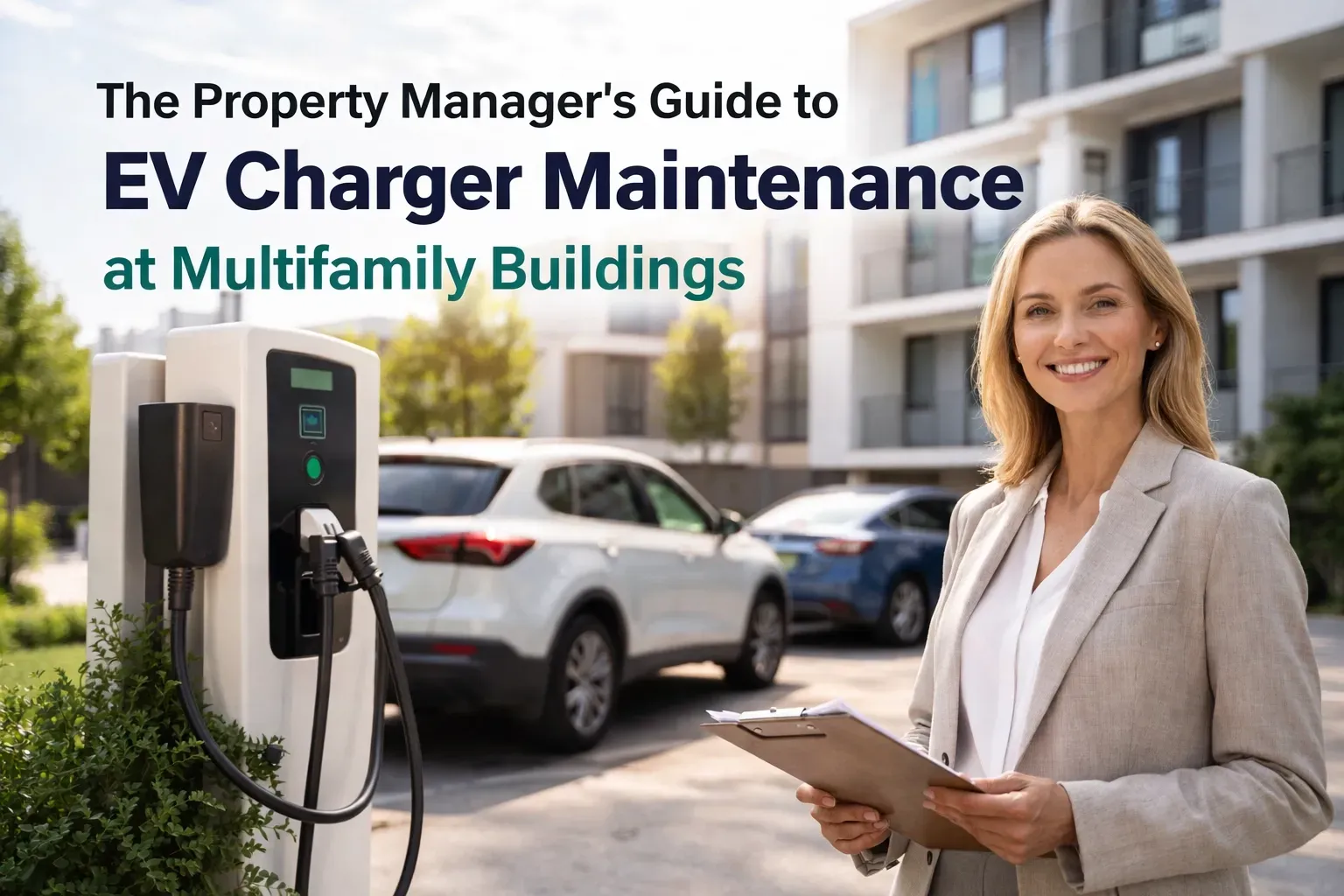
Property manager with clipboard beside EV charger at multifamily apartments; title reads “EV Charger Maintenance”
January 29, 2026
If you manage a multifamily property in Southern California, you've likely made the investment in EV charging infrastructure or are seriously considering it. With California's aggressive push toward zero-emission vehicles, offering EV charging has become less of a luxury amenity and more of a baseline expectation for tenants. But here's what many property managers discover the hard way: installing EV chargers is just the beginning. The real work—and the real value—comes from keeping those...

Show More