7 Mistakes You're Making with Electrical Maintenance (and How to Fix Them)

As a commercial property manager, you understand that electrical systems are the backbone of your facilities. Yet, I've witnessed countless properties suffer from preventable electrical failures that could have been avoided with proper maintenance practices. The reality is that most electrical emergencies stem from seven critical mistakes that property managers unknowingly make during routine maintenance.


These oversights don't just create inconvenience: they pose serious safety risks, drive up operational costs, and can result in costly downtime that affects your tenants and your bottom line. Understanding these common pitfalls and implementing the right solutions can transform your electrical maintenance from reactive firefighting to proactive system optimization.

Mistake #1: Ignoring Loose Electrical Connections

Loose or improperly tightened connections represent the single largest threat to your electrical system's reliability, accounting for nearly one-third of all electrical failures. In my experience working with commercial properties across California, I've seen how vibration from HVAC systems, thermal expansion and contraction, and simple installation oversights create these dangerous conditions.


When connections loosen, electrical resistance increases at those junction points. This resistance generates heat, which can damage conductors, degrade insulation, and in severe cases, cause electrical fires. The insidious nature of this problem is that it often develops gradually, giving no warning until catastrophic failure occurs.


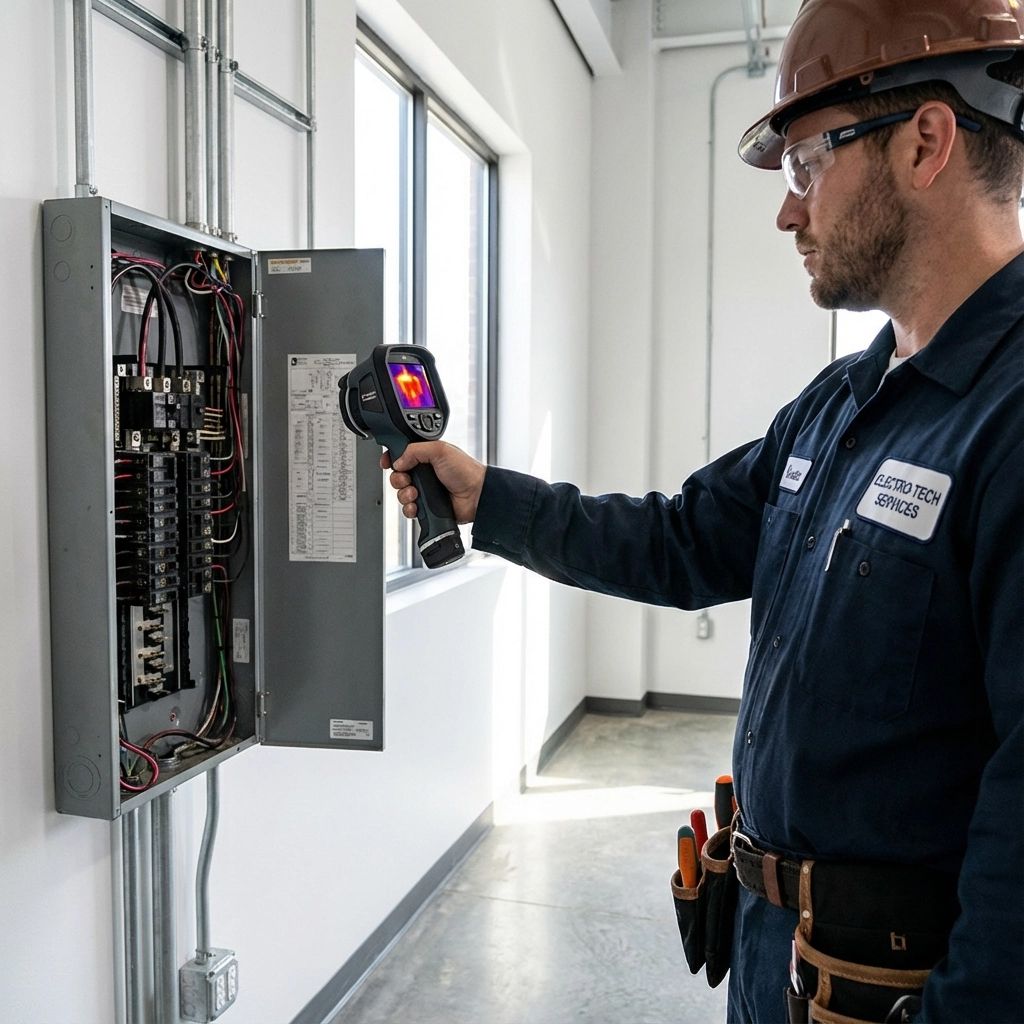
The Fix: Implement a torque verification program during all electrical work to ensure connections meet manufacturer specifications. Schedule annual infrared thermography inspections to identify hot spots before they become critical. These thermal imaging surveys can detect temperature anomalies that indicate loose connections, allowing you to address issues during planned maintenance windows rather than emergency callouts.

Electrician inspecting an open wall panel with a thermal camera in a bright industrial room

Mistake #2: Overlooking Insulation Degradation

Electrical insulation breakdown accounts for approximately 10% of commercial electrical failures, yet it remains one of the most overlooked aspects of preventive maintenance. Insulation deteriorates due to age, exposure to high temperatures, mechanical stress, and moisture infiltration: all common conditions in commercial facilities.


I've observed properties where 20-year-old wiring showed significant insulation brittleness, particularly in areas near boilers, rooftop units, and other heat sources. When insulation fails, it creates the potential for short circuits, equipment damage, and serious safety hazards including electrical shock and arc flash incidents.


The Fix: Conduct insulation resistance testing as part of your annual electrical maintenance program. This diagnostic procedure measures the resistance between conductors and ground, revealing insulation deterioration before it causes system failure. Proactively replace aging cables in high-risk environments and maintain proper environmental controls in electrical rooms to minimize moisture exposure.

Mistake #3: Inconsistent Inspection Schedules

Many property managers approach electrical inspections as reactive measures rather than proactive maintenance tools. Insufficient or poorly timed inspections allow small issues to compound into major problems. A single corroded terminal or miscalibrated breaker can silently compromise your entire electrical system's performance.


Commercial properties with irregular inspection schedules experience 40% more unexpected electrical outages than those following structured maintenance programs. The cost difference between planned maintenance and emergency repairs can be substantial: emergency electrical work typically costs 3-5 times more than scheduled maintenance.


The Fix: Establish documented inspection schedules based on equipment criticality and environmental factors. Critical systems should receive quarterly attention, while standard electrical components require annual comprehensive inspections. Utilize both visual assessments and diagnostic equipment including thermal cameras, power quality analyzers, and vibration sensors to identify emerging issues.

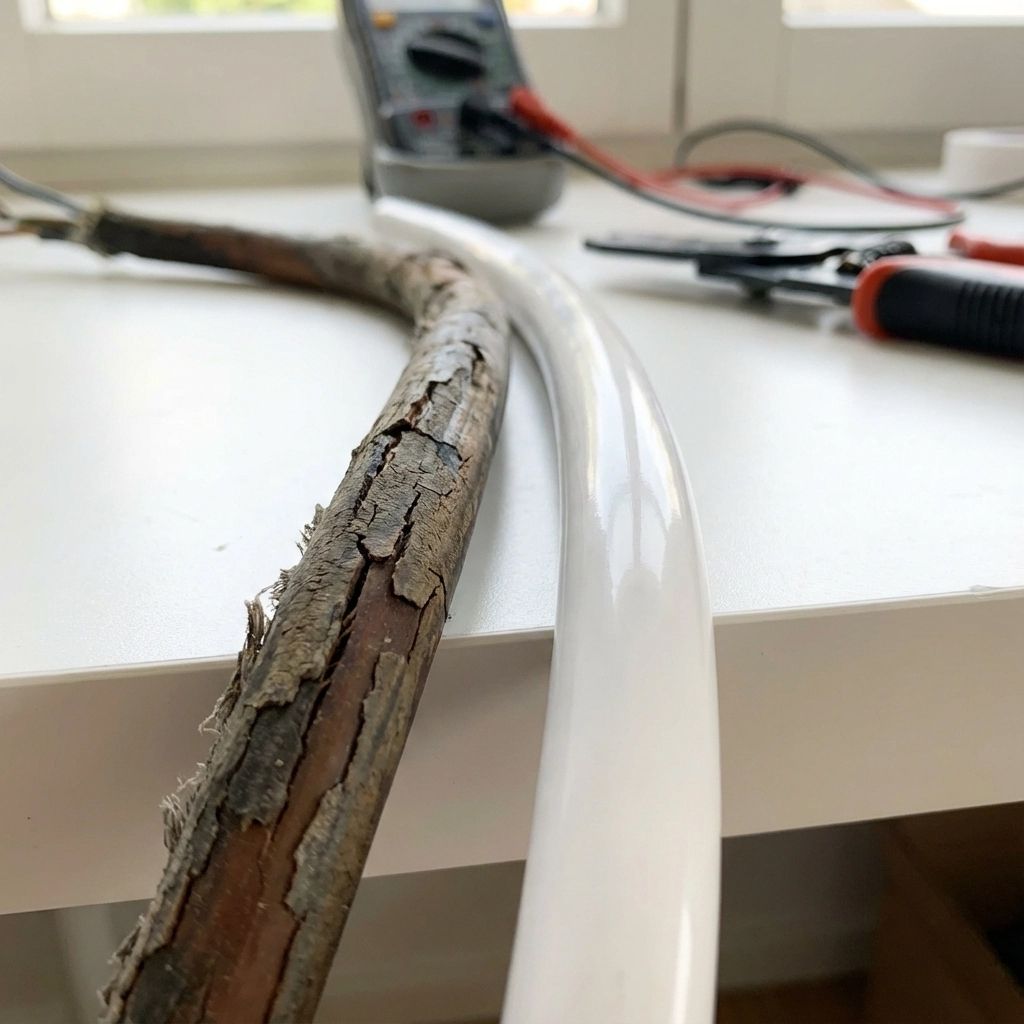
Frayed damaged cable on a white desk with a clear tube and tools in the background

Mistake #4: Inadequate Documentation Practices

Poor documentation represents a hidden maintenance mistake with far-reaching consequences. Without accurate maintenance logs, test results, and equipment histories, you cannot identify recurring problems or trending issues within your electrical systems. This lack of data prevents efficient troubleshooting and makes it impossible to optimize maintenance intervals.


I've worked with properties where previous maintenance work was completely undocumented, forcing technicians to start from scratch during every service call. This inefficiency drives up costs and increases the likelihood of overlooking critical maintenance needs.


The Fix: Maintain comprehensive records of all electrical maintenance activities, including test results, repair work, and equipment performance data. Modern maintenance management systems can automate much of this documentation while providing valuable analytics about system performance trends. This information becomes invaluable for making informed decisions about equipment replacement and upgrade timing.

Mistake #5: Improper Wiring Installation and Support

Insecure wiring installation creates ongoing reliability problems that many property managers don't recognize until failures occur. When electrical cables are clamped too tightly or inadequately supported, the physical stress can damage conductors and insulation over time. Vibration from mechanical equipment, thermal expansion, and simple gravitational stress can loosen improperly secured wiring.


This issue is particularly common in facilities that have undergone multiple renovations or expansions, where new wiring may have been installed using suboptimal support methods. I've seen cases where cable ties were over-tightened, crushing the insulation and creating future failure points.


The Fix: Ensure all electrical wiring receives proper support without excessive clamping pressure. Use appropriate cable trays, conduits, and support hardware designed for the specific wire gauges and installation environments. During facility modifications, verify that new wiring installations meet current code requirements for support spacing and protection methods.

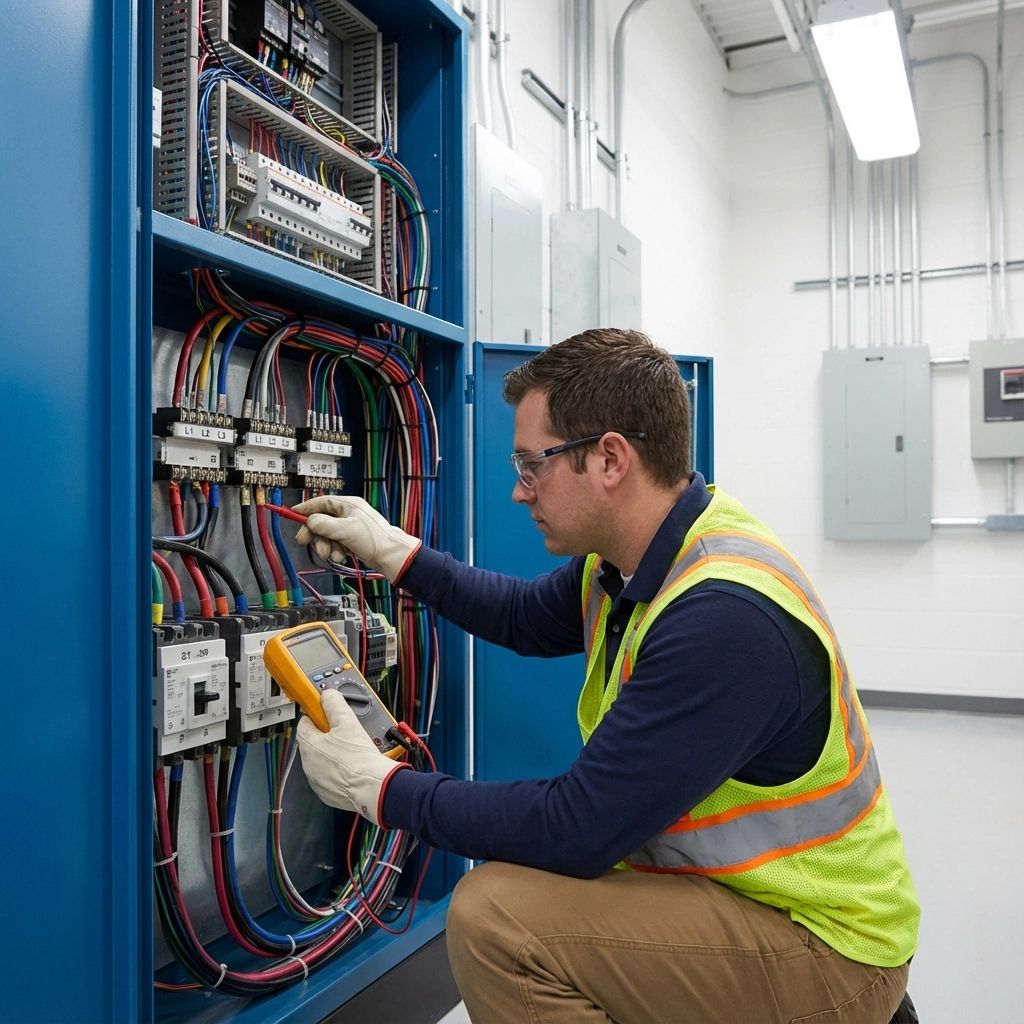
Technician inspecting wiring inside a blue electrical control cabinet, wearing a safety vest and gloves.

Mistake #6: Using Incorrect Wire Sizing

Wire sizing errors create dangerous conditions that often go undetected until equipment failure or safety incidents occur. When conductors carry more current than their design specifications allow, they generate excessive heat that can damage insulation, create fire hazards, and reduce system efficiency.


These problems frequently emerge during facility expansions or equipment upgrades when new electrical loads are added to existing circuits without proper load calculations. Many property managers assume that existing wiring can handle additional equipment without considering the cumulative electrical demand.


The Fix: Conduct load analysis before adding new equipment to existing circuits. Verify that all wiring is appropriately sized for current and future electrical demands. If conductors feel warm during operation, immediately have the installation evaluated by qualified electricians. When planning facility modifications, factor in electrical capacity requirements early in the design process.

Mistake #7: Chronic Circuit Overloading

Circuit overloading represents one of the most common yet preventable electrical maintenance issues in commercial properties. Modern facilities often operate far more electrical equipment than originally designed, leading to frequent breaker tripping, reduced equipment lifespan, and increased fire risk.


The proliferation of electronic devices, upgraded HVAC systems, and additional lighting has dramatically increased electrical demand in many commercial buildings. Properties constructed even 10-15 years ago may lack adequate electrical capacity for current operational requirements.


The Fix: Perform comprehensive load assessments to understand your facility's actual electrical demand versus available capacity. Redistribute high-demand equipment across multiple circuits and eliminate daisy-chained power strips that create dangerous loading conditions. For facilities with persistent overloading issues, consider electrical panel upgrades or additional circuit installation to meet modern electrical demands safely.


Implementing a structured approach to address these seven critical maintenance mistakes will significantly reduce your risk of electrical failures while improving system reliability and safety. Regular attention to these areas creates a foundation for efficient facility operations and helps avoid the substantial costs associated with emergency electrical repairs.


The investment in proper electrical maintenance pays dividends through reduced downtime, improved safety conditions, and extended equipment lifespan. Don't wait for electrical emergencies to force action: take control of your facility's electrical reliability today.


Ready to eliminate these costly maintenance mistakes from your properties? Contact Current Electric Inc. to discuss a comprehensive electrical maintenance program tailored to your facility's specific needs. Our experienced team can help you implement the preventive strategies that keep your electrical systems running safely and efficiently.

Recent Posts

Row of electrical breaker switches in a dim industrial corridor, lit by cool overhead lights
June 22, 2026
When it comes to maintaining a safe and comfortable living environment, few things are as crucial as the electrical system in your home. Electrical issues can lead to serious hazards, including fires, shocks, and costly repairs. That’s why I always emphasize the importance of regular electrical inspections. These inspections are not just about compliance or ticking a box—they are about protecting your home, your family, and your investment. Electrical systems are complex and often hidden...
Technician holding a yellow multimeter while testing wiring in an electrical control panel.
May 18, 2026
When electrical issues arise, they can disrupt daily life and business operations quickly. Knowing how to approach these problems with confidence and skill is essential. I’ve spent years honing my ability to diagnose and fix electrical faults efficiently, and I’m excited to share these insights with you. Whether you’re managing a home or a commercial property in Southern California, mastering troubleshooting electrical problems will save you time, money, and stress. Understanding the Basics...
Worker in orange hard hat wiring an electrical panel indoors
April 20, 2026
Replacing an electrical panel is a significant home or business upgrade. It’s not just about swapping out old equipment. It’s about safety, efficiency, and preparing your property for future electrical demands. But one of the biggest questions I get asked is: How much will this cost? Today, I want to break down the factors that influence panel replacement pricing and help you understand what to expect. This way, you can make informed decisions and avoid surprises. What Influences Panel...
Electrician in a hard hat inspecting wiring inside an open electrical panel.
March 23, 2026
When it comes to keeping your home safe and comfortable, electrical systems play a crucial role. I’ve learned that trusting professional home electrical services is the best way to ensure your home’s wiring, outlets, and electrical panels are up to code and functioning properly. Electrical issues can be hidden and dangerous, but with the right expertise, you can prevent hazards and enjoy peace of mind. In this post, I’ll share practical insights about home safety electrical solutions, explain...
Electrician in a yellow hard hat inspecting an open electrical panel inside a room.
March 20, 2026
Replacing an electrical panel is a significant home or business upgrade. It’s not just about swapping out old equipment. It’s about safety, efficiency, and preparing your property for future electrical demands. But one of the biggest questions I get asked is: How much will this cost? Today, I want to break down the factors that influence panel replacement pricing and help you understand what to expect. This way, you can make informed decisions and avoid surprises. What Influences Panel...
Worker installing a ceiling light in a room, reaching up beneath a bright round fixture.
March 20, 2026
Lighting can completely change the way a space feels and functions. Whether you want to brighten up your home, create a welcoming atmosphere in your business, or enhance the safety and appeal of your property, professional lighting installation experts can make all the difference. I’ve seen firsthand how the right lighting transforms spaces, and I’m excited to share how you can achieve the same results. Why Choose Lighting Installation Experts? When it comes to lighting, it’s not just about...
Technician in hard hat inspecting wiring in an electrical panel room
March 3, 2026
When it comes to keeping your home or business running smoothly, reliable electrical work is essential. Whether you’re upgrading your lighting, installing new outlets, or troubleshooting a sudden power outage, having access to skilled full-service electricians makes all the difference. I’m here to walk you through everything you need to know about comprehensive electrical services, so you can make informed decisions and feel confident about your electrical projects. Electrical work can seem...
Row of electrical control panels with lit displays in a dim industrial hallway
February 16, 2026
Replacing an electrical panel is a significant home or business upgrade. It’s not just about swapping out old equipment; it’s about ensuring safety, improving electrical capacity, and preparing your property for future needs. But one of the biggest questions I get asked is: How much will this cost? Today, I want to break down the factors that influence panel replacement pricing and help you understand what to expect when upgrading your electrical system. What Influences Panel Replacement...
Technician in yellow hard hat adjusting controls on an industrial electrical panel
February 4, 2026
When it comes to keeping your home or business running smoothly, reliable electrical work is essential. Whether you’re upgrading your lighting, installing new outlets, or ensuring your electrical system meets safety standards, having access to full-service electricians makes all the difference. I’m here to walk you through everything you need to know about comprehensive electrical services, so you can make informed decisions and feel confident about your electrical projects. Why Choose...
Property manager with clipboard beside EV charger at multifamily apartments; title reads “EV Charger Maintenance”
January 29, 2026
If you manage a multifamily property in Southern California, you've likely made the investment in EV charging infrastructure or are seriously considering it. With California's aggressive push toward zero-emission vehicles, offering EV charging has become less of a luxury amenity and more of a baseline expectation for tenants. But here's what many property managers discover the hard way: installing EV chargers is just the beginning. The real work—and the real value—comes from keeping those...

Show More